


| SNo. | Scientific Name | Locality | Habitat | Basis of Record | Description | Recorded By | Record Number | Island | Source | Date |
|---|---|---|---|---|---|---|---|---|---|---|
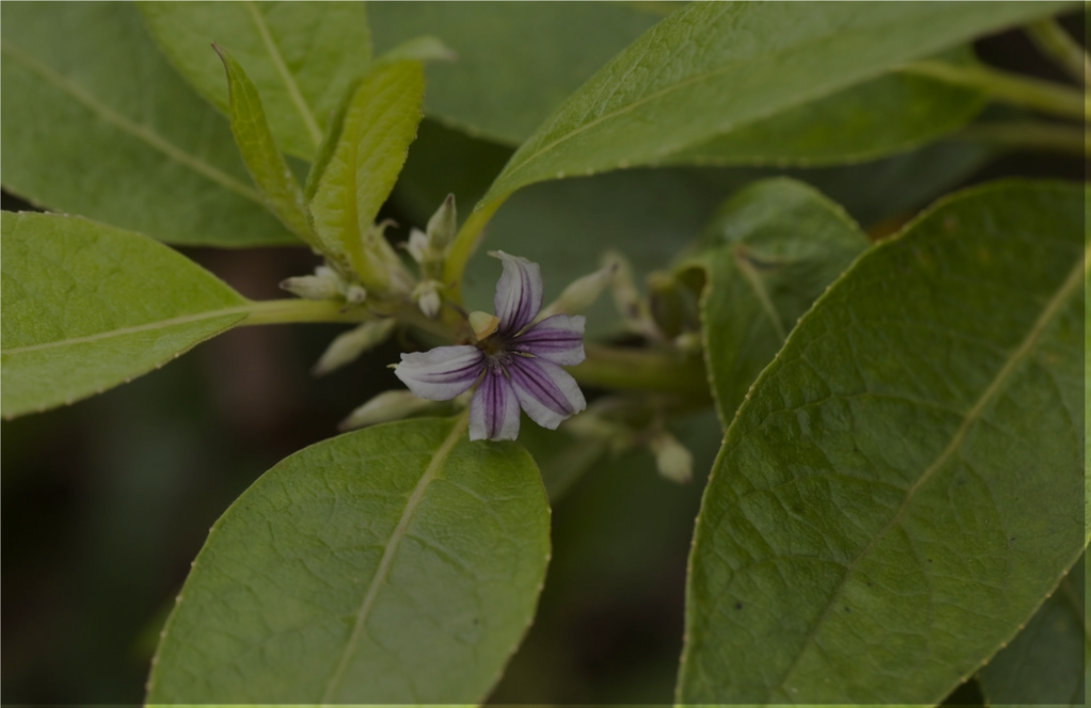
| 1 | Hibiscadelphus stellatus | Locality redacted. Contact Bishop Museum Botany Department for details | On very steep, rocky slope, Vegetation: Metrosideros, Sophora, Nestegis, Coprosma, Dodonaea, Pipturus, Achyranthes, Diospyros, Myrsine, Melicope, Pleomele, Zanthoxylum, Remya, Dryopteris, Senna, Ipomoea, Neraudia, Lysimachia, Wikstroemia, Osteomeles, Trisetum, Panicum, Microlepia, Eragrostis, Alyxia, Lipochaeta, Bidens, Doryopteris, Peperomia, Ageratina, Lantana, Grevillea, Conyza, Petroselinum. | Preserved_Specimen | Trees to 4m tall. Bark pale gray, petals burgundy without, or less often yellowish green, yellow within, anthesis apparently late in the afternoon; calyx green; immature capsules yellow, maturing tan then brown. | Oppenheimer, H.L. | 21406 | Maui | BISH | 2014-02-13 |
| 2 | Hibiscadelphus stellatus | Locality redacted. Contact Bishop Museum Botany Department for details | On very steep, rocky slope. With Metrosideros, Sophora, Nestegis, Coprosma, Dodonaea, Pipturus, Achyranthes, Diospyros, Myrsine, Melicope, Pleomele, Remya, Dryopteris, Senna, Ipomoea, Neraudia, Lysimachia, Wikstroemia, Osteomeles, Trisetum, Panicum, Microlepia, Eragrostis, Alyxia, Lipochaeta, Bidens, Doryopteris, Peperomia, Ageratina, Lantana, Grevillea, Conyza, Petroselinum. | Preserved_Specimen | Trees to 4m tall on very steep, rocky slope. Bark pale gray, petals burgandy without, or less often yellowish green, yellow within, anthesis apparently late in the afternoon; calyx green; immature capsules yellow, maturing tan then brown. | Oppenheimer, H.L. | 21404 | Maui | BISH | 2014-02-13 |
| 3 | Hibiscadelphus stellatus | Locality redacted. Contact Bishop Museum Botany Department for details | On very steep, rocky slope, Vegetation: Metrosideros, Sophora, Nestegis, Coprosma, Dodonaea, Pipturus, Achyranthes, Diospyros, Myrsine, Melicope, Pleomele, Zanthoxylum, Remya, Dryopteris, Senna, Ipomoea, Neraudia, Lysimachia, Wikstroemia, Osteomeles, Trisetum, Panicum, Microlepia, Eragrostis, Alyxia, Lipochaeta, Bidens, Doryopteris, Peperomia, Ageratina, Lantana, Grevillea, Conyza, Petroselinum. | Preserved_Specimen | Trees to 4m tall. Bark pale gray, petals burgundy without, or less often yellowish green, yellow within, anthesis apparently late in the afternoon; calyx green; immature capsules yellow, maturing tan then brown. | Oppenheimer, H.L. | 21403 | Maui | BISH | 2014-02-13 |
| 4 | Hibiscadelphus stellatus | Locality redacted. Contact Bishop Museum Botany Department for details | On very steep, rocky slope, Vegetation: Metrosideros, Sophora, Nestegis, Coprosma, Dodonaea, Pipturus, Achyranthes, Diospyros, Myrsine, Melicope, Pleomele, Zanthoxylum, Remya, Dryopteris, Senna, Ipomoea, Neraudia, Lysimachia, Wikstroemia, Osteomeles, Trisetum, Panicum, Microlepia, Eragrostis, Alyxia, Lipochaeta, Bidens, Doryopteris, Peperomia, Ageratina, Lantana, Grevillea, Conyza, Petroselinum. | Preserved_Specimen | Trees to 4m tall. Bark pale gray, petals burgundy without, or less often yellowish green, yellow within, anthesis apparently late in the afternoon; calyx green; immature capsules yellow, maturing tan then brown. | Oppenheimer, H.L. | 21408 | Maui | BISH | 2014-02-13 |
| 5 | Hibiscadelphus stellatus | Locality redacted. Contact Bishop Museum Botany Department for details | Growing on very steep, rocky mid-slope, in narrow gully between ridges. Vegetation: Diospyros, Pisonia, Myrsine, Metrosideros, Pittosporum, Coprosma, Dodonaea, Strblus, Antidesma, Wikstroemia, Zanthoxylum, Alectryon, Santalum, Pleomele, Pouteria, Nestegis, Psydrax, Psychotria, Charpentiera, Sophora, Schinus, Grevillea, Caesalpinia, Psidium, Pipturus, Ipomoea, Remya, Microlepia, Dryopteris, Alyxia, Bidens, Doodia, Sicyos, Smilax, Osteomeles, Euphorbia, Lipochaeta, Achyranthes, Trisetum, Ageratina, Bromus, Oplismenus, Lantana, Conyza, Opuntia, Erigeron, Passiflora, Adiantum, Cyrtomium, Lycpersicon, Senecio, Physalis, Sonchus, Youngia, Petroselinum | Preserved_Specimen | Bark light, smooth; corolla purple outside, yellow within. | Oppenheimer, H.L. | 41214 | Maui | BISH | 2012-04-17 |
| 6 | Hibiscadelphus stellatus | Locality redacted. Contact Bishop Museum Botany Department for details | Growing on very steep, rocky mid-slope, in narrow gully between ridges. Vegetation: Diospyros, Pisonia, Myrsine, Metrosideros, Pittosporum, Coprosma, Dodonaea, Strblus, Antidesma, Wikstroemia, Zanthoxylum, Alectryon, Santalum, Pleomele, Pouteria, Nestegis, Psydrax, Psychotria, Charpentiera, Sophora, Schinus, Grevillea, Caesalpinia, Psidium, Pipturus, Ipomoea, Remya, Microlepia, Dryopteris, Alyxia, Bidens, Doodia, Sicyos, Smilax, Osteomeles, Euphorbia, Lipochaeta, Achyranthes, Trisetum, Ageratina, Bromus, Oplismenus, Lantana, Conyza, Opuntia, Erigeron, Passiflora, Adiantum, Cyrtomium, Lycpersicon, Senecio, Physalis, Sonchus, Youngia, Petroselinum | Preserved_Specimen | Bark light, smooth; corolla purple outside, yellow within. | Oppenheimer, H.L. | 41215 | Maui | BISH | 2012-04-18 |
| 7 | Hibiscadelphus stellatus | Locality redacted. Contact Bishop Museum Botany Department for details | On very steep, rocky slope, Vegetation: Metrosideros, Sophora, Nestegis, Coprosma, Dodonaea, Pipturus, Achyranthes, Diospyros, Myrsine, Melicope, Pleomele, Zanthoxylum, Remya, Dryopteris, Senna, Ipomoea, Neraudia, Lysimachia, Wikstroemia, Osteomeles, Trisetum, Panicum, Microlepia, Eragrostis, Alyxia, Lipochaeta, Bidens, Doryopteris, Peperomia, Ageratina, Lantana, Grevillea, Conyza, Petroselinum. | Preserved_Specimen | Trees to 4m tall. Bark pale gray, petals burgundy without, or less often yellowish green, yellow within, anthesis apparently late in the afternoon; calyx green; immature capsules yellow, maturing tan then brown. | Oppenheimer, H.L. | 21407 | Maui | BISH | 2014-02-13 |
| 8 | Hibiscadelphus stellatus | Locality redacted. Contact Bishop Museum Botany Department for details | Diospyros sandwicensis-Metrosideros mesic forest with Nestegis sandwicensis, Pisonla, Zanthoxylum hawaiiense, Cyrtandra grayi, Coprosma foliosa, Cheirodendron trigynum, Dodonaea viscosa, Polyscias oahuensis, Myrsine lanalensis, Sophora chrysophylla | Preserved_Specimen | 20 trees in this site, 5 meter ht with flowers and fruit. Seed collected KB | Perlman, S. | 23853 | Maui | BISH | 2014-02-13 |
| 9 | Hibiscadelphus stellatus | Locality redacted. Contact Bishop Museum Botany Department for details | Diospyros sandwicensis-Metrosideros mesic forest With Nestegis sandwicensis, Pisonia, Zanthoxylum hawaiiense, Cyrtandra grayi, Coprosma foliosa, Cheirodendron trigynum, Dodonaea viscosa, Polyscias oahuensis, Myrsine lanaiensis, Sophora chrysophylla. | Preserved_Specimen | 17 mature trees, 5 juveniles, 3 seedlings here with about 50 trees a few gulches to south, trees 4 meter ht with flowers and fruit. | Perlman, S. | 22837 | Maui | BISH | 2012-04-18 |
Lorem ipsum dolor sit amet, consectetur adipiscing elit, sed do eiusmod tempor incididunt ut labore et dolore magna aliqua. Ut enim ad minim veniam, quis nostrud exercitation ullamco laboris nisi ut aliquip ex ea commodo consequat. Duis aute irure dolor in reprehenderit in voluptate velit esse cillum dolore eu fugiat nulla pariatur. Excepteur sint occaecat cupidatat non proident, sunt in culpa qui officia deserunt mollit anim id est laborum.
Lorem ipsum dolor sit amet, consectetur adipiscing elit, sed do eiusmod tempor incididunt ut labore et dolore magna aliqua. Ut enim ad minim veniam, quis nostrud exercitation ullamco laboris nisi ut aliquip ex ea commodo consequat. Duis aute irure dolor in reprehenderit in voluptate velit esse cillum dolore eu fugiat nulla pariatur. Excepteur sint occaecat cupidatat non proident, sunt in culpa qui officia deserunt mollit anim id est laborum.
Lorem ipsum dolor sit amet, consectetur adipiscing elit, sed do eiusmod tempor incididunt ut labore et dolore magna aliqua. Ut enim ad minim veniam, quis nostrud exercitation ullamco laboris nisi ut aliquip ex ea commodo consequat. Duis aute irure dolor in reprehenderit in voluptate velit esse cillum dolore eu fugiat nulla pariatur. Excepteur sint occaecat cupidatat non proident, sunt in culpa qui officia deserunt mollit anim id est laborum.
Lorem ipsum dolor sit amet, consectetur adipiscing elit, sed do eiusmod tempor incididunt ut labore et dolore magna aliqua. Ut enim ad minim veniam, quis nostrud exercitation ullamco laboris nisi ut aliquip ex ea commodo consequat. Duis aute irure dolor in reprehenderit in voluptate velit esse cillum dolore eu fugiat nulla pariatur. Excepteur sint occaecat cupidatat non proident, sunt in culpa qui officia deserunt mollit anim id est laborum.
Lorem ipsum dolor sit amet, consectetur adipiscing elit, sed do eiusmod tempor incididunt ut labore et dolore magna aliqua. Ut enim ad minim veniam, quis nostrud exercitation ullamco laboris nisi ut aliquip ex ea commodo consequat. Duis aute irure dolor in reprehenderit in voluptate velit esse cillum dolore eu fugiat nulla pariatur. Excepteur sint occaecat cupidatat non proident, sunt in culpa qui officia deserunt mollit anim id est laborum.
Lorem ipsum dolor sit amet, consectetur adipiscing elit, sed do eiusmod tempor incididunt ut labore et dolore magna aliqua. Ut enim ad minim veniam, quis nostrud exercitation ullamco laboris nisi ut aliquip ex ea commodo consequat. Duis aute irure dolor in reprehenderit in voluptate velit esse cillum dolore eu fugiat nulla pariatur. Excepteur sint occaecat cupidatat non proident, sunt in culpa qui officia deserunt mollit anim id est laborum.
Thank you for your interest in submitting an image of
Select your image and leave a brief description of your photo below.